Professional Pest Removal Options for Your House
Expert wildlife removal services play an essential role in tackling unwanted animal intrusions in homes. These professionals bring specialized knowledge and tools to effectively assess and handle various situations. They prioritize both safety and ethical treatment, ensuring a comprehensive approach. However, understanding the risks of wildlife in residential spaces and the common invaders is crucial. What strategies can homeowners employ to protect their living environments? The answers may be more unexpected than one might think.
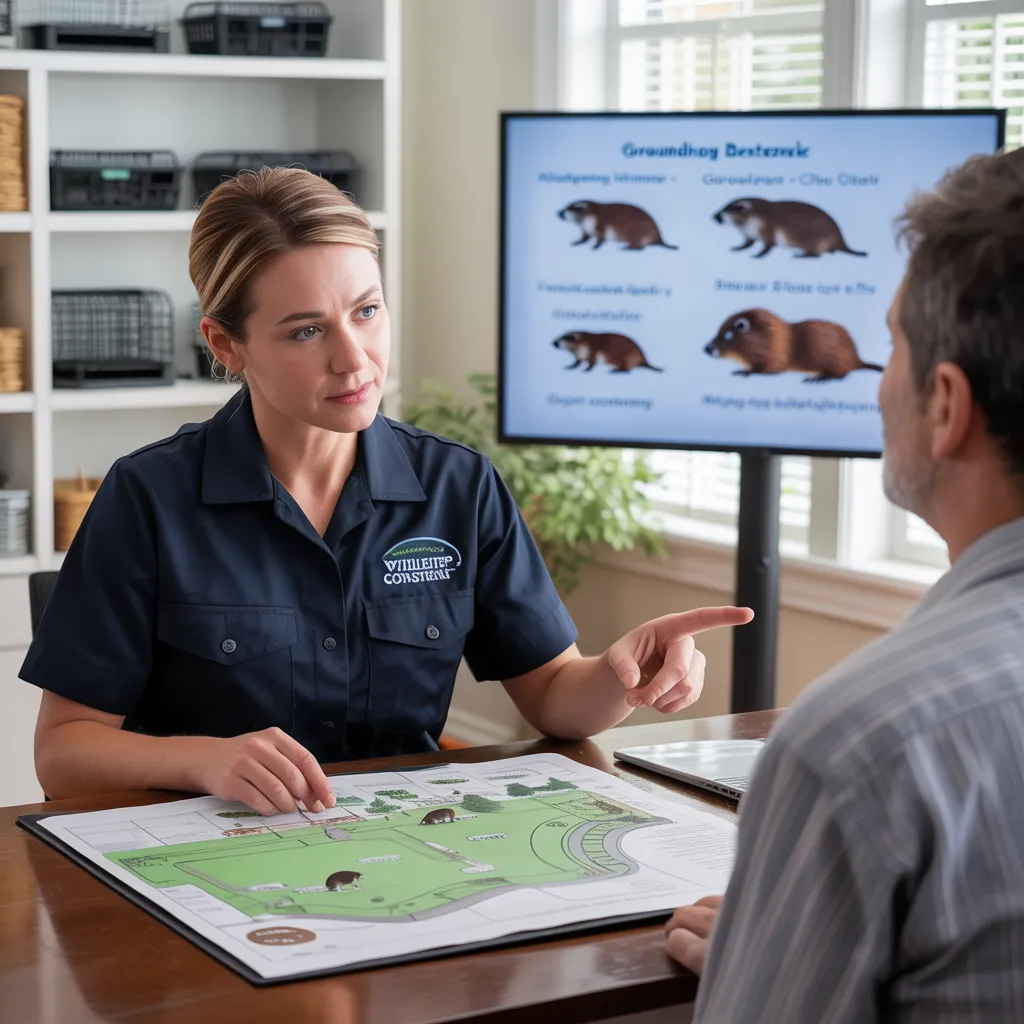
Comprehending the Problems of Wildlife in Your Home
Wildlife found in the home causes substantial risks that a lot of homeowners could underestimate. Uninvited creatures often cause extensive property damage, necessitating costly repairs. Rodents, for instance, can chew through electrical wiring, increasing the risk of fires. Also, their droppings may pollute food and surfaces, causing major health dangers.
Additionally, animal life can spread parasites, such as fleas and ticks, which can impact both humans and pets. The occurrence of larger animals, like raccoons or deer, can also produce aggressive encounters, jeopardizing residents.
The nesting behaviors of different animals may create structural issues, as they can obstruct ventilation or create entry points for further infestations. Additionally, many homeowners are unfamiliar with the laws surrounding wildlife removal, which can hinder attempts to handle pest problems. Understanding these risks is essential for maintaining a safe and healthy living environment.
Locating Prevalent Wildlife Invaders in Your Home
Spotting frequent wildlife invaders is important for maintaining a secure and healthy home environment. Rodents, such as mice and rats, often seek shelter indoors, while nocturnal pests like raccoons and opossums can cause serious damage if they gain access. By recognizing the signs of these intruders, homeowners can act quickly to prevent infestations.
Prevalent Pest Intruders
While many property owners may not realize it, typical rodent pests such as mice and rats can present significant threats to both health and home. Mice, generally smaller and more agile, can readily enter homes through tiny openings. They often make their homes in walls, attics, or basements, resulting in possible harm and disease spread. Rats, on the other hand, are bigger and more damaging, able to gnawing through wiring and insulation, which may cause expensive fixes. Both species are notorious for transmitting illnesses, such as hantavirus and leptospirosis, making their presence a serious health concern. Proper identification and prompt action are crucial for successful pest elimination, safeguarding both the home and its occupants from their adverse effects.
Nocturnal Insect Recognition
What are the ways homeowners can effectively recognize the signs of nocturnal pests that may invade their living spaces? Recognition of these intruders often starts with noticing odd sounds at night, including scratching or scurrying. Frequent nocturnal pests include raccoons, opossums, and various rodents. Homeowners should look for droppings, chew marks on wires or furniture, and claw marks near entries. Furthermore, nests found in attics or basements might indicate an infestation. Strange odors can also signal the presence of these pests. Staying vigilant about these signs enables property owners to swiftly manage potential wildlife problems, minimizing damage and health risks tied to infestations. Professional wildlife removal services can provide assistance with the detection and safe removal of these nocturnal invaders.
Main Benefits of Engaging Wildlife Control Experts
Hiring animal control professionals provides numerous advantages for homeowners facing unwanted animal intrusions. First and foremost, these professionals have expert knowledge and specialized experience, allowing them to identify various species and comprehend their habits. This knowledge ensures that the correct removal methods are employed, reducing dangers to both people and animals.
Likewise, wildlife control specialists routinely deploy modern techniques and tools that function more effectively than DIY efforts. Their experience equips them to address potentially dangerous situations safely, reducing the likelihood of property destruction or personal injury. Also, professionals can provide valuable suggestions on halting subsequent infestations, addressing entry points, and implementing long-term solutions.
To summarize, numerous animal control providers stress ethical treatment approaches, aligning with moral standards while protecting the residential setting. Through engaging professionals, homeowners can establish a comprehensive, effective, and accountable method for addressing animal issues, promoting peace of mind and a secure environment.
Ethical Wildlife Management Approaches for Your Residence
Wildlife removal professionals highlight humane techniques to address animal intrusions successfully. These approaches focus on the well-being of the animals while guaranteeing the safety and security of homeowners. For instance, experts often use live traps to catch animals without inflicting injury, allowing for safe relocation to suitable habitats. Additionally, exclusion techniques focus on sealing entry points to prevent future intrusions rather than injuring the wildlife.
Specialists also advocate for environmental adjustment, which entails modifying environments to make them less appealing to unwanted animals. This can involve safeguarding garbage, removing food availability, and maintaining landscaping to discourage wildlife. Education serves a crucial function as well, with specialists offering guidance on harmony methods that reduce conflicts. Overall, ethical animal management techniques not only address current issues but also develop understanding between humans and local wildlife, ensuring both can flourish in their environments.
Tips for Selecting the Correct Wildlife Removal Service
Choosing the right wildlife removal service requires careful consideration of several key factors. It is important to verify the qualifications and licensing of the service, as well as assess their experience and expertise in the field. In addition, comparing the service options offered can help guarantee that the chosen provider meets specific needs effectively.
Assess Qualifications And Licensing
How can one ensure they are selecting a capable wildlife removal service? The first step includes checking the qualifications and licensing of potential providers. Valid permits indicates that a service complies with local regulations and industry standards, guaranteeing a degree of professionalism and accountability. Certifications from established animal control associations can further validate knowledge. Additionally, verifying liability protection is essential; it protects both the property owner and the service provider in case of accidents or damages during the removal process. Potential customers should request documentation of these credentials upfront. By prioritizing licensed and certified professionals, homeowners can greatly reduce the likelihood of inadequate or harmful wildlife removal practices. This careful vetting creates a base for safe and effective animal control.
copyrightine Professional Background And Competence
After verifying the credentials and licensing of wildlife removal services, the next crucial factor to consider is their background and skill. A seasoned provider is more likely to manage a variety of wildlife cases effectively, minimizing hazards to both property and residents. It is important to ask about the number of years the service has been operating and the kinds of wildlife they specialize in removing. Additionally, checking for customer testimonials or case studies can offer insight into their problem-solving abilities and success records. Experienced professionals often stay resource updated on the latest removal techniques and safety protocols, guaranteeing humane and efficient solutions. Ultimately, selecting a service with proven experience can result in a more satisfactory resolution of wildlife issues.
Compare Service Options Available
What available services are offered for animal removal, and how can they affect the choice of a provider? Multiple options include ethical trapping, exclusion methods, habitat modification, and damage repair. Each option tackles particular animal problems, and understanding these can help homeowners in choosing the appropriate company. For instance, ethical trapping concentrates on humanely moving animals, while exclusion techniques prevent future infestations by sealing entry points. Additionally, some providers provide continuous maintenance programs to guarantee long-term protection. Assessing the variety of options allows homeowners to align their requirements with a provider's expertise, guaranteeing effective and sustainable solutions. Ultimately, the best selection copyrights on matching service offerings with personal situations and preferences.
What Unfolds During Wildlife Removal?
During wildlife removal, skilled specialists assess the situation to establish the best approach for humanely and safely managing the occurrence of animals. This initial assessment involves pinpointing the particular species, the extent of the infestation, and likely access areas into the home.
After the assessment is complete, the specialists formulate a tailored plan that prioritizes the safety of both the creatures and the inhabitants. They may apply devices or exclusion strategies to capture or deter the creatures without creating harm.
In many cases, professionals also offer advice for stopping recurring pest issues, such as blocking access routes or getting rid of food sources. After the removal, the area is cleaned and fixed as necessary to minimize the likelihood of further wildlife intrusion.

Frequently Asked Questions
How much does animal removal usually cost?
Wildlife removal costs typically vary from $100 to $1,500, based on variables like the animal species, the extent of the infestation, and the complexity of the removal process required for humane and safe removal.
Are Animal Control Services Offered 24/7?
Many wildlife control services operate 24/7 to tackle pressing situations. Service availability can vary by company, but most seek to provide rapid assistance, making sure that homeowners can access help whenever wildlife problems emerge unexpectedly.
What Should I Do Prior to the Removal Team Coming?
When the removal team is about to appear, the homeowner should confine pets indoors, remove food sources, and seal off access points. It's also advisable to document any wildlife activity and inform the team to the crew.
Is It Feasible to Keep Creatures From Accessing My Home?
To keep wildlife from entering a home, one should close cracks, protect vents, and appropriately store food. Frequently copyrightining the property for entry points and keeping a clean yard can further prevent potential unwanted visitors.
Do Wildlife Control Services Include Guarantees?
Animal control companies often offer guarantees about their services, making sure that any removed wildlife will not reappear. These guarantees can vary in timeframe and terms, based on the specific company and the situation involved.